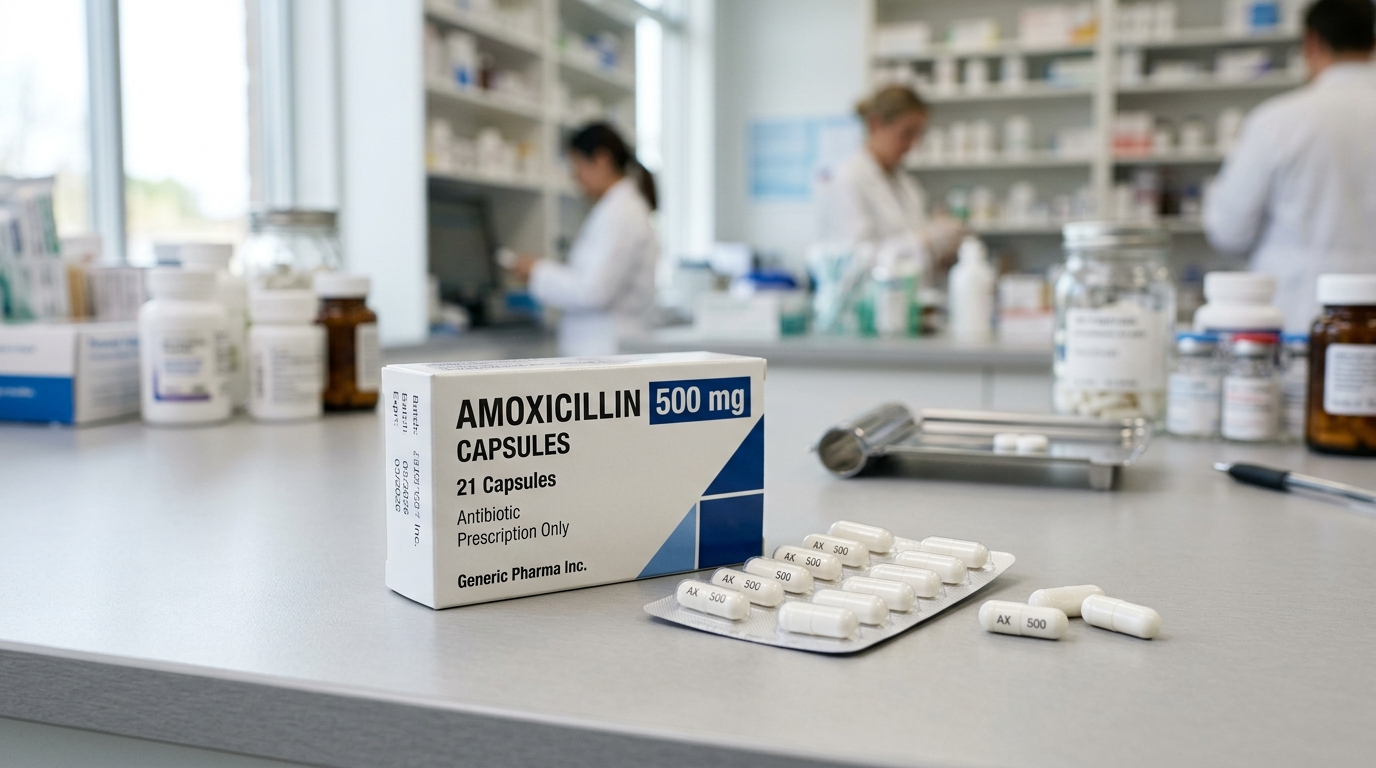
Amoxil and the Reality of Amoxicillin Over the Counter

Amoxil is a brand of amoxicillin, a broad-spectrum penicillin antibiotic used for selected bacterial infections. It is not appropriate for every sore throat, cough, or sinus symptom, and treatment decisions depend on the suspected organism, infection site, medical history, and kidney function.

Review the current Amoxil offer page, dosage details, and checkout requirements before making a decision.

Use the listing as a starting point for verified product information and prescription handling details.

Check Amoxil Offer Details

For anyone searching amoxicillin over the counter, the key point is that antibiotic use should be guided by a clinician or licensed prescriber. Before choosing any offer page, it is worth reviewing what Amoxil treats, when it should be avoided, and what safety checks matter before checkout or use.

What Amoxil is and when it is used

Amoxil contains amoxicillin, a semisynthetic aminopenicillin in the beta-lactam antibiotic class. It works by interfering with bacterial cell wall synthesis, which makes it bactericidal against susceptible organisms that are actively dividing.

This medicine is used for infectious and inflammatory conditions caused by susceptible bacteria, including certain upper respiratory tract infections such as tonsillitis, pharyngitis, sinusitis, and otitis media; lower respiratory infections such as bronchitis and some pneumonia regimens; urinary tract infections; selected skin and soft tissue infections; and some gastrointestinal indications including Helicobacter pylori eradication as part of combination therapy.

Its activity does not extend reliably to every organism. Resistance can occur through beta-lactamase production, altered penicillin-binding proteins, or reduced cell wall permeability, so the right diagnosis matters before treatment is started.

  • Commonly referenced dosage forms include tablets, capsules, and strengths such as 250 mg, 500 mg, and 1000 mg.
  • Food has little effect on absorption, so oral dosing is generally not tied closely to meals.
  • Use should match a confirmed or strongly suspected susceptible bacterial infection, not viral illness.
Amoxil medication packaging and tablets presented in a clean clinical setting

Practical use notes for amoxicillin

Amoxicillin is taken by mouth and is generally absorbed well, with peak levels reached within about one to two hours after a 500 mg dose. Because food has little effect on absorption, administration can often be aligned with the prescribed schedule rather than meal timing.

The dosage regimen is individualized. Prescribers consider the location and severity of infection, likely pathogen susceptibility, age, and renal function before selecting strength, frequency, and treatment duration.

If therapy is prolonged, monitoring of liver, kidney, and hematopoietic function may be appropriate. Good hydration is also important, particularly because crystalluria has been reported.

  • Follow the prescribed schedule exactly rather than adjusting frequency on your own.
  • Renal impairment may require dose reduction or a longer interval between doses.
  • For pediatric use, oral hygiene matters because tooth enamel discoloration has been reported.

Who should avoid Amoxil and what warnings matter

Amoxil should not be used in people with hypersensitivity to amoxicillin or other beta-lactam antibiotics, including penicillins, cephalosporins, carbapenems, or monobactams, when cross-reactivity is clinically relevant. A history of severe anaphylactic reactions is a major concern.

It is also contraindicated in infectious mononucleosis and lymphocytic leukemia because of a high risk of cutaneous exanthema. Severe renal failure requires careful dose adjustment and may make standard use inappropriate if adjustment cannot be managed.

Seek urgent medical attention for signs of a serious allergic reaction. If significant diarrhea develops during treatment, the medicine should be stopped and medically reviewed because pseudomembranous colitis is a recognized risk. In Lyme disease treatment, a Jarisch-Herxheimer reaction may occur.

  • Stop use and seek urgent care for breathing difficulty, swelling, or rapid-onset rash suggestive of hypersensitivity.
  • Do not self-treat persistent diarrhea with antidiarrheal products without medical advice.
  • Check the official prescribing information or patient leaflet for full contraindications and warnings.
Clinician reviewing antibiotic suitability and allergy history with a patient

Important interactions and monitoring points

Several medicines can change how amoxicillin behaves or increase monitoring needs. Probenecid, phenylbutazone, acetylsalicylic acid, and sulfinpyrazone may increase amoxicillin concentrations by reducing renal excretion.

Bacteriostatic antibiotics such as tetracyclines, macrolides, and chloramphenicol may antagonize its action in some settings. Aminoglycosides may have synergistic use, but separate administration is important when combination therapy is chosen.

Patients taking anticoagulants may need closer monitoring because prothrombin time can be prolonged and INR checks may be necessary. Alcohol is generally not recommended during treatment because of the risk of adverse reactions and reduced treatment tolerance.

  • Review your full medication list with a prescriber or pharmacist before starting therapy.
  • Mention kidney disease, anticoagulant use, and any prior penicillin reaction during evaluation.
  • Do not add or stop related antibiotics without professional advice.

Buying guidance for people searching “amoxicillin over the counter”

The phrase amoxicillin over the counter is a common search term, but antibiotics such as amoxicillin are typically handled as prescription medicines and should be used only after appropriate clinical review. A product page is best treated as an information and access point, not as a substitute for diagnosis.

When comparing Amoxil offers, focus on the listed product details, dosage strength, prescription handling, and pharmacy verification steps rather than price claims alone. The safest approach is to confirm that the medicine, strength, and intended use match a prescriber’s directions or the official labeling.

If an offer page is used, read the product information carefully before ordering and check whether medical review, pharmacist support, or prescription documentation is required at checkout. That step is especially important when symptoms could reflect a viral infection, an allergy history, or impaired renal function.

  • Confirm the active ingredient is amoxicillin and the strength matches the prescribed plan.
  • Check how prescription review or documentation is handled before payment.
  • Read delivery terms and storage instructions on the offer page.
  • Avoid using leftover antibiotics or buying solely based on symptom similarity.
Online pharmacy comparison screen focused on prescription antibiotic details

Side effects and overdose summary

Reported adverse effects can include gastrointestinal symptoms and allergic reactions, with severity ranging from mild intolerance to serious hypersensitivity. The clinical context matters, so new rash, severe diarrhea, or worsening symptoms should prompt medical review.

In overdose, the main reported problems are nausea, vomiting, diarrhea, and fluid or electrolyte imbalance. Management may include supportive treatment, activated charcoal, or hemodialysis in severe situations, depending on the clinical picture.

Because adverse effects and precautions vary by patient, the official product labeling and clinician guidance remain important references before and during treatment.

  • Get medical help promptly if side effects are severe, unusual, or rapidly progressing.
  • Maintain hydration if gastrointestinal symptoms occur, unless a clinician advises otherwise.
  • Use the patient information leaflet for a fuller side-effect overview.

Common questions about Amoxil

Is Amoxil the same as amoxicillin?

Amoxil is a brand name for amoxicillin. The active ingredient is amoxicillin, but product form and manufacturer details can vary.

Can Amoxil be used for viral colds or flu?

No. Amoxicillin is an antibiotic for susceptible bacterial infections and does not treat viral illnesses such as colds or influenza.

Does food affect Amoxil absorption?

Food has little effect on amoxicillin absorption, so it is commonly taken regardless of meals, following the prescribed schedule.

This entry was posted in Uncategorized. Bookmark the permalink.

Leave a Reply

Your email address will not be published. Required fields are marked *